
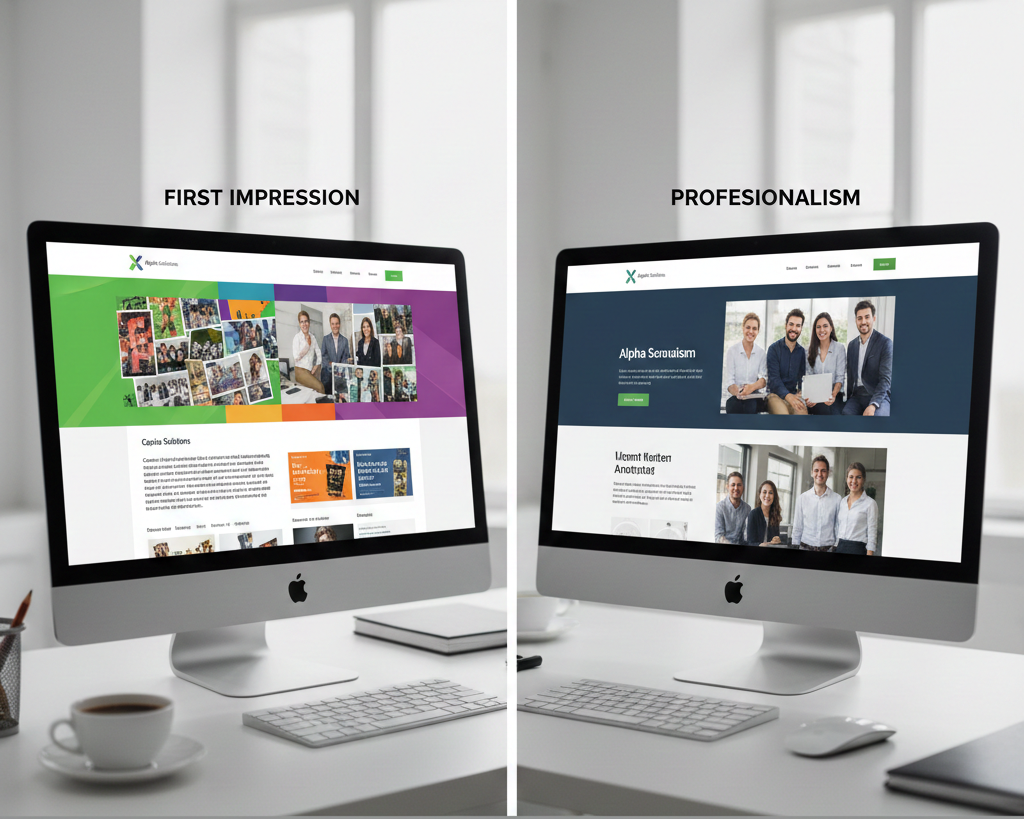
A strong website design is more than aesthetics—it shapes how customers perceive your brand. In today’s competitive digital space, your website acts as your first impression, your credibility signal, and your primary storytelling platform. When your design is intentional, consistent, and user-focused, it directly strengthens your brand identity and positions your business as trustworthy and professional.
To break this down, here are the core elements that determine how design impacts your brand: strategic planning, visibility, adaptability, and the advantages that come with strong positioning.
01
Effective brand identity starts with strategic planning. This includes choosing the right color palette, typography, layout, and visual hierarchy that reflect who you are. When these elements align with your mission and audience expectations, your website becomes a cohesive and memorable brand experience. Clear planning ensures that every design choice supports your identity instead of confusing your users.
02
Good design compensates for weaknesses in your brand communication. If your business is new, unknown, or growing, a professional website builds instant credibility. Clear navigation, consistent visuals, and readable content help users trust your brand even before they speak to you. A strong design bridges the gap between where your brand is today and the professional image you aim to project.
03
Brands lose trust when their website design goes off track—cluttered layouts, inconsistent colors, slow load times, or outdated visuals. These mistakes weaken your identity and make users question your reliability. Spotting misalignment early and refining the design prevents confusion and maintains a polished brand image. Good design is not only about looking great; it’s about staying true to your brand promise.
Profit of being flexible
A strong website design doesn’t just show who you are it shapes how people remember you.
- Betel Addisu
A well-designed website is one of the most powerful brand identity tools. Businesses that invest in thoughtful, strategic design communicate reliability, professionalism, and clarity. Those who ignore it risk blending into the noise, losing trust, and missing opportunities. Strong design doesn’t just look good it builds confidence, inspires loyalty, and positions your brand for long-term success.